



AI Wellness4 min read
Product Guide
The Wellness Timeline: Turn Daily Logs Into Useful Context
A smarter wellness timeline connects meals, hydration, caffeine, fasting, and everyday signals—so you can notice patterns without turning life into a scorecard.
MyCalAgent TeamSeptember 22, 20264 min readLast Updated: September 22, 2026
AI-AssistedSource: CDC; PubMed Central; MyCalAgent
Explore with AICompare perspectives across leading AI assistants.
ChatGPTClaudeGoogle AI ModePerplexityThe most useful wellness data is not the data you collect in isolation. It is the data you can read in context.
A meal photo can be useful. So can a water log, a caffeine entry, a fasting window, or a quick note about energy. But when those signals sit in separate mental folders, it is easy to miss the story they tell together. A late coffee may matter differently after a short night. A rushed lunch may feel different on a day with little water or a long gap between meals.
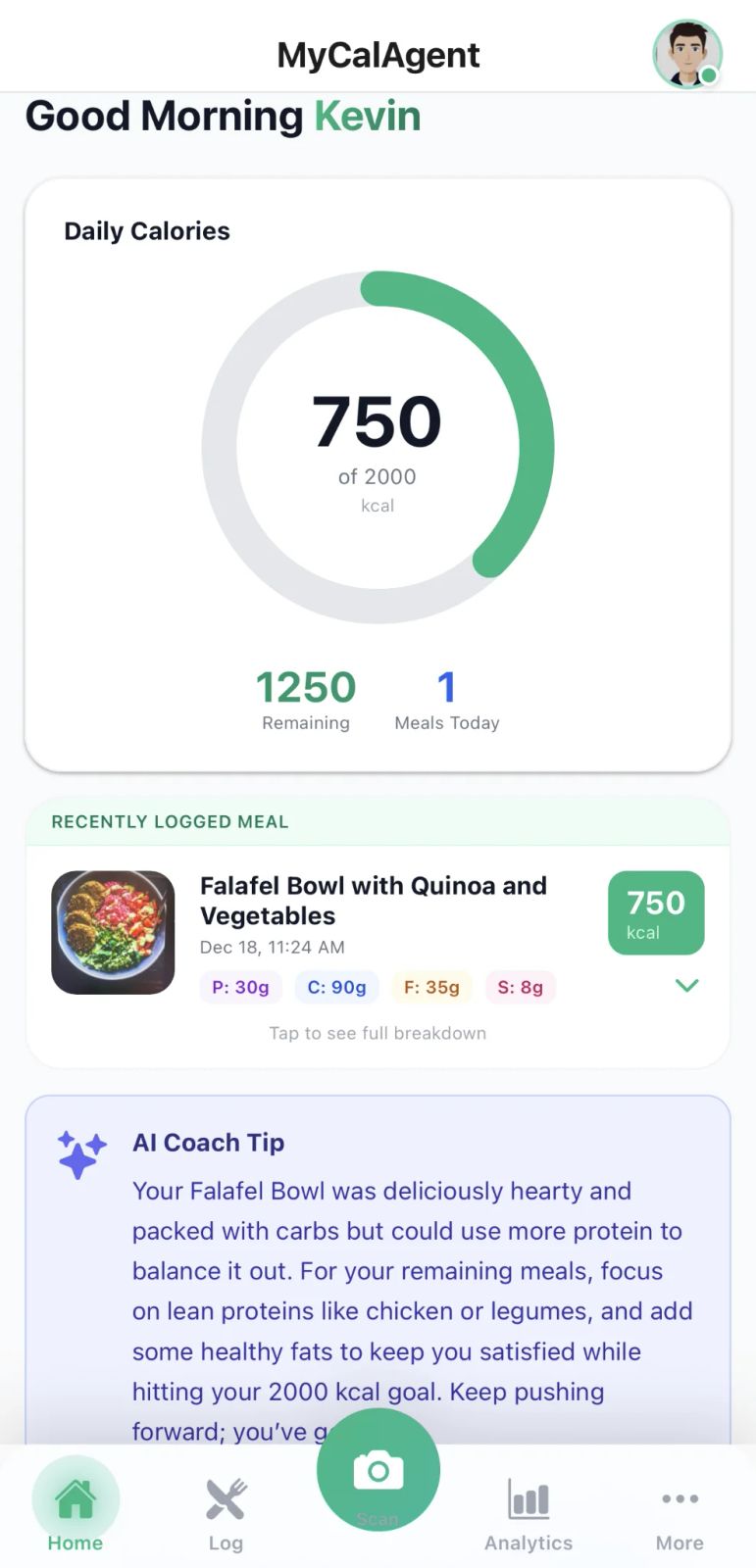
MyCalAgent is designed for that bigger picture: a practical wellness timeline that keeps everyday inputs visible together, without turning every day into an optimization project.
1 view
Meals, hydration, caffeine, fasting, and selected wellness inputs can be reviewed as a daily context—not as competing scorecards.
150 min
Federal guidance gives many adults a weekly activity benchmark, but the way that activity fits into a real week is personal.
A pattern
AI can surface a pattern to investigate. It cannot establish cause, diagnose a problem, or make a medical decision.
Why a timeline beats a pile of trackers
Healthy routines rarely arrive one habit at a time. Food choices are influenced by work, sleep, schedule, movement, access, culture, appetite, and the ordinary chaos of a Tuesday. That is why a single number can be an incomplete lens. A daily timeline makes room for the sequence: what happened, when it happened, and what else was happening around it.
Research on digital self-monitoring is promising but mixed. A systematic review of remotely delivered diet interventions found a small average improvement in dietary behavior, alongside substantial variation in results and risk-of-bias concerns. The practical takeaway is refreshingly modest: tracking can support awareness for some people; it is not a guarantee, a verdict, or a substitute for care.
What MyCalAgent puts in the same frame
This is not an invitation to log perfectly. It is an invitation to log enough to make a review possible. The lower the friction, the more likely a timeline reflects a real life rather than an idealized one. MyCalAgent supports photo-based meal logging and manual edits so you can review an AI estimate before saving it; hydration, caffeine, alcohol, fasting, and selected wellness inputs add optional context.
How to use the timeline without turning it into pressure
Try a weekly check-in instead of an hourly audit. Pick one neutral question: “What felt easier on the days I ate earlier?” or “When did I feel most steady through the afternoon?” Look for repetitions, not perfection. A single odd day is just a day; a recurring observation may be worth exploring with more context.
Keep the interpretation proportionate. CDC guidance notes that adults generally need 150 minutes of moderate-intensity physical activity each week and muscle-strengthening activity on two days, while also emphasizing that any amount of activity can offer some benefit. That is a public-health reference point, not a personalized prescription or a reason to turn movement into a deficit to erase.
Where AI belongs—and where it does not
AI can make a timeline easier to scan by holding many small details together. It may highlight that a pattern appeared across several logged days. It should not turn that observation into certainty. Meal analysis is approximate; missing entries, routine changes, medication, stress, sleep, and countless unlogged factors can change the picture.
Wellness and AI disclaimer: MyCalAgent is a wellness-awareness tool, not a medical device or healthcare provider. Its AI outputs are informational, probabilistic observations—not medical advice, diagnosis, or treatment. For symptoms, medication questions, pregnancy, eating-disorder concerns, chronic conditions, or other medical decisions, consult a qualified clinician.
The point is a kinder kind of awareness
The best timeline is not the most complete one. It is the one that helps you notice your life with a little more clarity and a little less judgment. Use it to ask better questions, keep what is useful, and leave space for professional support when a question is medical rather than lifestyle-based.
Sources and further reading
Key Takeaway
A smarter wellness timeline connects meals, hydration, caffeine, fasting, and everyday signals—so you can notice patterns without turning life into a scorecard.
What This Means For MyCalAgent Users
Use MyCalAgent to apply these insights to your own wellness data. The AI surfaces personal patterns after 7–14 days of consistent tracking — helping you understand what works for your body specifically.
Frequently Asked Questions
wellness timelineAI wellnessself-monitoringhydrationnutrition behavior
Disclaimer: This article is for informational purposes only. MyCalAgent does not provide medical advice, diagnosis, or treatment. The content reflects general wellness observations and research summaries. Always consult a qualified healthcare professional before making changes to your diet, health routine, or medical care.
Continue the Conversation
Explore with AI
Compare perspectives across leading AI assistants — ChatGPT, Claude, Google AI, and Perplexity.
Explore with AICompare perspectives across leading AI assistants.
ChatGPTClaudeGoogle AI ModePerplexityOriginal source: CDC; PubMed Central; MyCalAgent. Content independently reviewed and adapted by MyCalAgent editorial team.